March 28, 2026 · Sod Installation
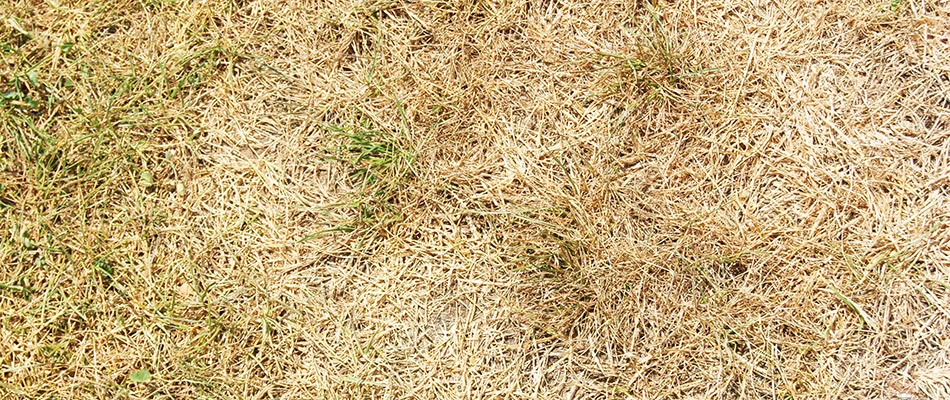
You spent the money on new sod. You watched the crew lay it down, gave it a good watering, and went to bed thinking the hard part was over. Then a few days later, sections start yellowing. A week in, whole strips are turning brown. It's one of the most frustrating things a homeowner can deal with, and we hear about it constantly from customers across Noblesville, Carmel, and the rest of Hamilton County.
The good news: brown sod doesn't always mean dead sod. Most of the time, the problem is fixable if you catch it early enough.
The Number One Cause: Not Enough Water
Nine times out of ten, new sod turns brown because it isn't getting enough water. Fresh sod has almost no root system in the ground yet. It's sitting on top of the soil, completely dependent on surface moisture to stay alive. If the soil underneath dries out, even for a day, the edges of each piece start curling and browning.
During Indiana's summer months, new sod needs to be watered at least twice a day for the first two weeks. Not a light sprinkle, either. Each watering should soak through the sod and into the top inch of soil beneath it. You can check this by lifting a corner of a piece. If the soil underneath feels dry, you need more water. After those first two weeks, you can gradually back off to once a day, then every other day, and eventually settle into a normal watering routine once roots are established.

Poor Soil Prep Underneath
This is the cause most people don't think about, and it's the one that matters long term. If the soil under your sod is hard, compacted clay, those new roots have nowhere to go. They hit a wall of dense soil and stop growing. The sod never anchors, stays weak, and eventually gives up.
Hamilton County soil is notorious for this. Most properties around Westfield and Fishers sit on heavy clay that compacts hard after construction. Before sod goes down, the ground needs to be loosened, graded, and ideally amended with compost or topsoil. If your installer skipped this step, that's likely why you're seeing brown patches weeks later. A proper sod installation includes soil preparation because without it, the sod is fighting an uphill battle from day one.
Bad Timing
Sod can technically be installed any time the ground isn't frozen, but timing still matters. Laying sod in the middle of July, when daytime temps are hitting 90 or above, puts enormous stress on the turf. The pieces dry out faster than you can water them, and the heat bakes the surface before roots can establish.
The best times for sod in central Indiana are mid-April through early June, and then again from mid-September through mid-October. Cool nights and moderate daytime temperatures let roots grow without the constant battle against heat stress. If you installed sod during a heat wave and it's struggling, don't panic. Just increase your watering and know that it may take longer to establish than it would have in cooler conditions.

Gaps Between the Pieces
When sod is laid with visible gaps between pieces, those edges dry out first. You'll see brown lines running across your yard that match exactly where each strip meets the next. Tight seams with no gaps are essential. The pieces should be staggered like bricks and pressed firmly together. If your sod has gaps now, keep those edges especially wet and they'll eventually fill in as the turf spreads, but it'll take time.
What You Can Do Right Now
If your new sod is browning, start with water. Increase your irrigation immediately and check the soil moisture under the sod daily. If it's been more than three weeks and the sod still lifts easily when you tug it, the roots haven't taken hold, and you may be dealing with a soil prep issue. At that point, it's worth calling in a crew to evaluate whether the sod can be saved or needs to be replaced with proper seeding or a second sod attempt with better ground preparation.
For properties where the sod is too far gone, aeration and overseeding in the fall can rebuild the lawn at a fraction of the cost. Combined with a solid fertilization program, you can still have a thick, healthy lawn by the following spring.
We install sod across Hamilton County and we don't cut corners on soil prep. If your yard needs a fresh start, call us at (317) 900-7151 or request an estimate online.