July 22, 2024 · Lawn Care
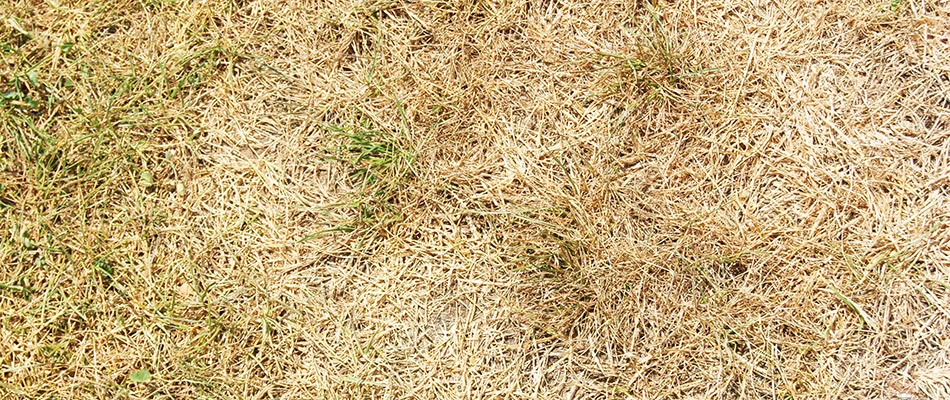
In May, your lawn looked incredible. Thick, green, growing so fast you could barely keep up with the mowing. By mid-July, it's brown in patches, thin in spots, and generally disappointing. You're watering. You're mowing. What happened?
This is the single most common complaint we hear from homeowners in Noblesville, Carmel, Westfield, and Fishers. And the frustrating truth is that the fix doesn't happen in summer. It starts in fall.
Cool-Season Grass Wasn't Built for Indiana Summers
Kentucky Bluegrass, Tall Fescue, Perennial Ryegrass, and Fine Fescue are all cool-season grasses. They thrive when daytime temperatures are between 60 and 75 degrees. Once Hamilton County hits consistent 85 to 95-degree days in July, these grasses shift into stress mode. Growth slows dramatically. The plants conserve energy. Some go semi-dormant and turn brown as a survival mechanism.
That brown lawn you're staring at in July isn't necessarily dead. It's often dormant grass waiting for cooler weather. The problem is when dormancy stacks on top of other stress factors and the grass crosses the line from "resting" to "dying."

The Five Culprits Behind Summer Decline
1. Mowing too short. This is the biggest one. Cutting below 3 inches exposes soil to direct sunlight, accelerates moisture loss, and forces the plant to use energy regrowing blades instead of maintaining roots. We mow at 3.75 to 4 inches because taller grass shades its own root zone, retains moisture longer, and stays cooler at the soil surface.
2. Compacted soil with shallow roots. Hamilton County's clay soil compacts hard by midsummer. Roots can't grow deeper than the compaction layer, which means they can't reach the moisture that's still present 6 to 8 inches down. The top 2 inches dry out, and the grass has nowhere to go. Fall aeration is the fix, and it's why lawns that get aerated annually handle summer dramatically better.
3. Under-fertilization. A lawn that didn't get proper spring fertilization enters summer without the nutrient reserves to handle heat stress. It runs out of fuel when it needs it most. The winterizer application from the previous fall also matters here, because that's what fueled the spring growth that built the root system.
4. Fungal disease. Indiana's humid summers are a playground for brown patch, dollar spot, and other fungal diseases. These diseases attack stressed turf and can kill large sections of lawn in weeks. If you're seeing circular brown patches with darker borders during humid July and August stretches, disease is likely involved.
5. Watering wrong. Frequent, shallow watering (a little bit every day) trains roots to stay near the surface where they're more vulnerable to heat. Deep, infrequent watering (about 1 inch total per week, including rainfall, applied in one or two sessions early in the morning) encourages roots to chase the water deeper into the soil.

The Fix Starts This Fall, Not This Summer
You can't undo summer damage during summer. The grass is stressed and growing conditions are actively working against recovery. What you can do is set the lawn up to handle next summer better by doing the right work this fall.
Aerate and overseed in September to break compaction and thicken the turf. Apply winterizer fertilizer in late October to build root reserves. Mow at the right height all season long, starting next April. These three things, done consistently, are the difference between a lawn that survives summer and one that thrives through it.
We serve Noblesville, Carmel, Westfield, Fishers, and surrounding Hamilton County communities. Call (317) 900-7151 or get instant pricing.