July 15, 2024 · Lawn Disease
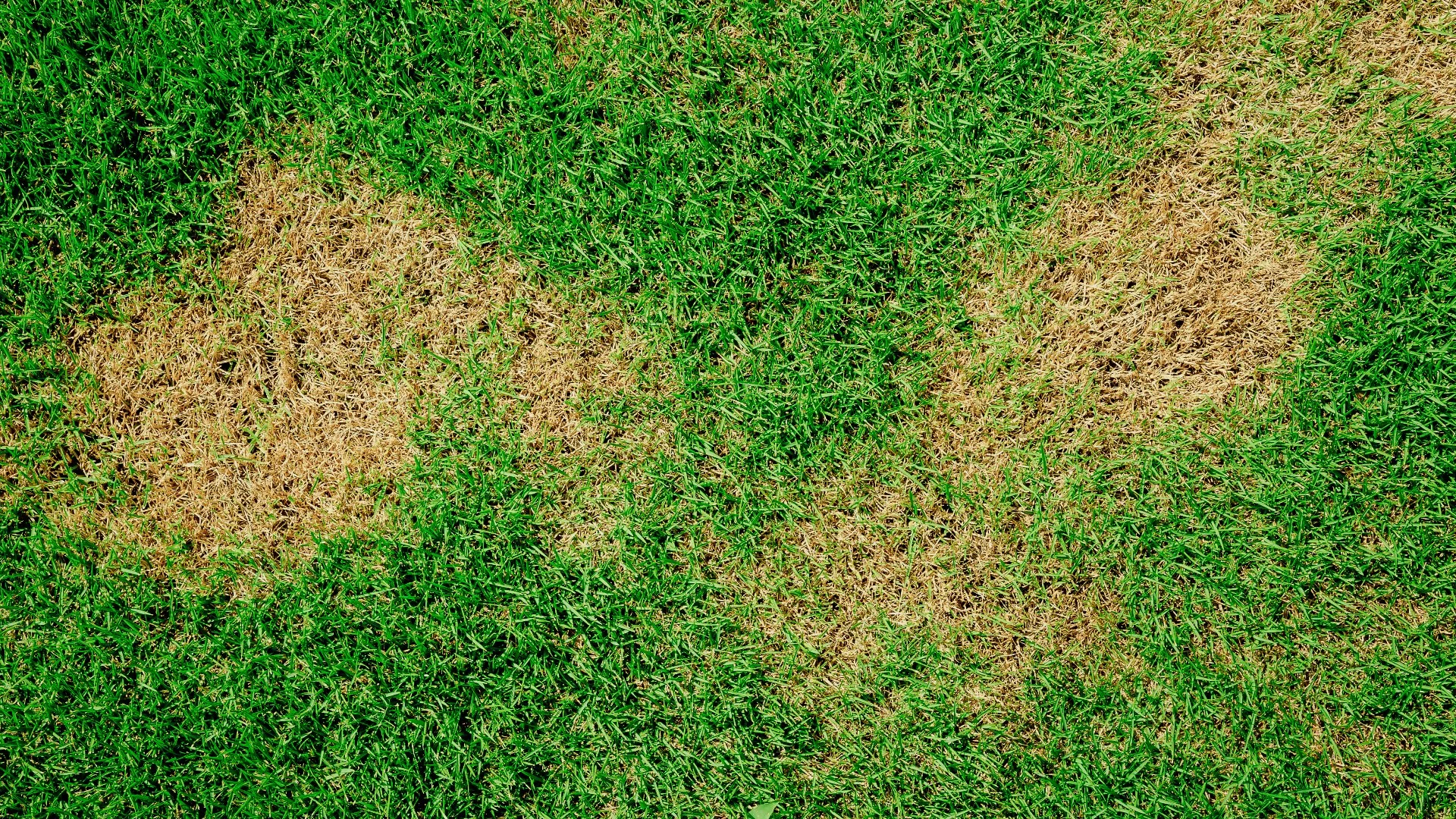
You walk outside and see a brown patch in your otherwise green lawn. The instinct is to water it more. But brown patches can be caused by half a dozen different things, and the treatment for each one is different. Throwing water at a fungal infection makes it worse. Throwing fungicide at a grub problem does nothing.
Here are the most common causes of brown patches in Hamilton County lawns and how to tell them apart.
Brown Patch Disease

What it looks like: Large, roughly circular brown areas from a few inches to several feet across. The outer edges of the circle are often darker than the center, creating a "smoke ring" appearance in the early morning when dew is present. The grass blades look water-soaked and dark at the edges of the patch.
When it appears: Summer, when nighttime temperatures stay above 65 degrees and humidity is high. In the Noblesville area, that's typically June through September.
Common causes: Over-fertilizing with nitrogen in summer. Watering in the evening so the grass stays wet overnight. Poor air circulation from dense landscaping around the lawn.
What to do: Stop evening watering. Reduce nitrogen applications during summer. For active infections, professional fungicide treatments stop the spread. The lawn usually recovers on its own once conditions change, but severe cases may need overseeding in fall.
Grub Damage
What it looks like: Irregular brown patches, usually appearing in late summer or early fall (August through October). The key identifier: grab the brown grass and pull. If it peels up like loose carpet with no resistance, grubs have eaten the roots.
When it appears: Late August through October when grubs are largest and feeding most aggressively.
What to do: Curative grub treatment followed by reseeding or sod patching in the damaged areas. Going forward, preventive grub treatment applied in June or July stops the problem before damage occurs. Read our full grub guide.
Drought Stress
What it looks like: A general browning or blue-gray color across large areas of the lawn, not distinct circular patches. The grass blades curl inward and footprints remain visible for minutes after you walk across the lawn.
When it appears: Mid-summer during extended dry periods without supplemental watering.
What to do: Water deeply (1 to 1.5 inches per week). Drought-stressed grass recovers within a few days of adequate watering. If it doesn't respond, the problem isn't drought. Read our watering guide.
Dog Urine Spots
What it looks like: Small, intensely brown circular patches (6 to 12 inches across) often with a ring of darker green grass around the edges. The shape is very consistent and circular.
Why the green ring: Dog urine is high in nitrogen. The center of the spot gets a lethal concentration that burns the grass. The outer ring gets a diluted dose that actually fertilizes the grass, causing it to grow greener and taller than the surrounding lawn.
What to do: Flush the area with water immediately after the dog goes. For existing dead spots, rake out the dead grass, rough up the soil, and reseed the small patch. Training the dog to use a designated area of the yard prevents ongoing damage to the main lawn.
Chemical Burn

What it looks like: Brown streaks or patches that follow the pattern you walked while applying fertilizer, herbicide, or other lawn products. The shape is a dead giveaway: straight lines, overlapping arcs, or the exact width of your spreader.
Common causes: Over-application of fertilizer (especially granular fertilizer that piled up in one spot), herbicide drift from spraying on a windy day, or gasoline/oil spills from lawn equipment.
What to do: For fertilizer burn, flush the area heavily with water for several days to dilute the excess product. For herbicide damage, the grass may recover on its own over a few weeks depending on severity. For fuel spills, the soil may need to be removed and replaced, then reseeded.
Compaction and Shade
What it looks like: Gradual thinning and browning in high-traffic areas (paths to the shed, play areas, under swing sets) or in areas that have become increasingly shaded as trees grow.
What to do: For compaction, core aeration relieves the pressure and allows the grass to recover. For shade, you may need to transition to shade-tolerant seed varieties (Fine Fescue mixes) or consider alternative ground cover for areas in deep shade.
When to Call a Professional
If you're not sure what's causing your brown patches, don't guess. A wrong diagnosis leads to wrong treatment, which wastes money and time while the actual problem gets worse. We can diagnose the issue on a free site visit and recommend the right fix. For a deeper dive into the four most common fungal diseases in our area, read our full lawn disease guide.
We see the heaviest disease pressure on properties in established Fishers and Carmel neighborhoods where mature tree canopy creates shaded, humid conditions. Grub damage is most common on irrigated lawns near wooded areas in Fortville, McCordsville, and CiceroGeist. Dog urine damage is everywhere. Whatever the cause, we'll figure it out.
Sprout Lawn & Landscape offers lawn disease diagnosis and treatment across Noblesville, Carmel, Westfield, Fishers, and surrounding Hamilton County. Call (317) 900-7151.