February 10, 2026 · Lawn Care
You signed up for a lawn care program. The first treatment went down two weeks ago. You're looking out the window and... it looks the same. Maybe the dandelions are starting to curl, but the lawn isn't the thick, green carpet you were picturing when you made the call.
That's normal. Lawn care is a process, not a one-time fix. Here's what a realistic timeline looks like for properties across Noblesville, Carmel, and the rest of Hamilton County.
First 2 to 4 Weeks: Weed Response
The first thing you'll notice is weeds reacting to treatment. Post-emergent herbicides take 7 to 14 days to show visible results. Broadleaf weeds like dandelions and clover will start curling, yellowing, and dying back. Some tougher weeds like wild violet and ground ivy may need a second application before they fully give up.
Pre-emergent herbicides, applied in early spring, work invisibly. You won't see them doing anything because their job is to prevent weed seeds from germinating. The result shows up later in summer when your lawn doesn't have crabgrass everywhere and your neighbor's does.

Months 1 to 3: Green-Up and Thickening
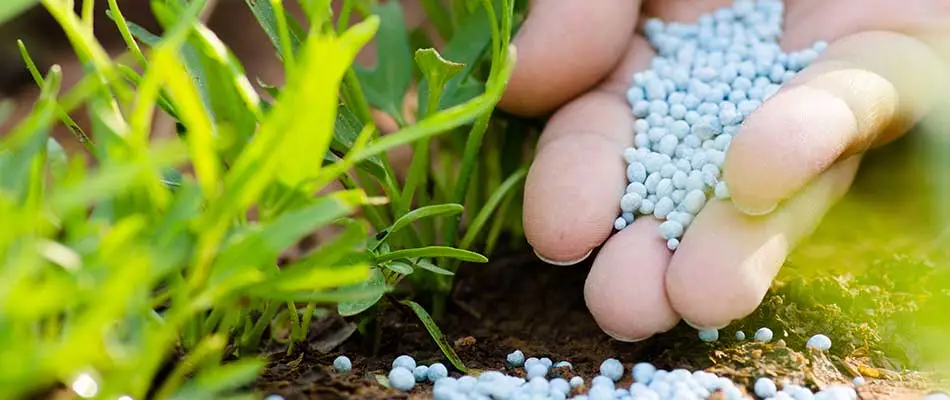
Fertilizer takes time to work through the soil and into the root system. You'll start seeing a color change within 2 to 3 weeks of the first application, deeper green, more consistent color across the lawn. By the second or third treatment round, the turf should be noticeably thicker and more vigorous than it was at the start.
This phase is where patience matters. The grass is building root mass, increasing tiller production, and filling in thin areas from the inside out. It's not dramatic week to week, but the cumulative change over 8 to 12 weeks is significant. We hear from customers all the time who don't notice the improvement until they look back at a photo from before they started.
Month 4 to 6: The Summer Test
Summer in central Indiana separates lawns that are on a program from those that aren't. A lawn with consistent fertilization and weed control going into June has deeper roots, denser turf, and better drought tolerance. It handles the heat better than it did the previous summer, stays green longer, and recovers faster from dry stretches.
This is also when proper mowing practices make or break the program. A lawn that's been fertilized and treated but then mowed too short and too infrequently will still struggle in July. The care program and the mowing need to work together.

Fall: Where the Real Transformation Happens
Fall is the most important season for cool-season grasses in Indiana. If you add aeration and overseeding to your fall program, you'll see a dramatic change the following spring. New seed fills in thin spots, the aeration relieves compaction from summer, and winterizer fertilizer builds the root reserves the grass needs to come out strong in March.
For lawns in Fishers and Westfield that were in rough shape when the program started, the one-year mark is where the payoff becomes obvious. A full cycle of spring fertilization, summer weed control, fall aeration and seeding, and winter fertilizer builds a foundation that compounds year over year.
The Honest Answer
You'll see noticeable improvement within the first few months. You'll see real transformation by the end of the first full year. And year two is when the lawn starts looking the way you originally wanted it to. Lawns are living systems, and living systems take time to respond. There's no spray that makes a thin, weedy lawn look perfect in 30 days. But a consistent program produces results that last.
Ready to start? Call (317) 900-7151 or get instant pricing online.