April 18, 2023 · Mulch & Rock
Walk into any home improvement store and the mulch aisle is overwhelming. Black, brown, red, natural, cedar, cypress, rubber, rock. Which one actually works best for landscape beds in central Indiana? The answer depends on what you're trying to accomplish, how much maintenance you want to deal with, and whether your beds sit in full sun or under the shade of the mature hardwoods that are everywhere in Hamilton County.
Here's a practical breakdown of the most common options for homeowners in Noblesville, Carmel, Westfield, Fishers, and surrounding Hamilton County.
Dyed Mulch (Black, Brown, Red)
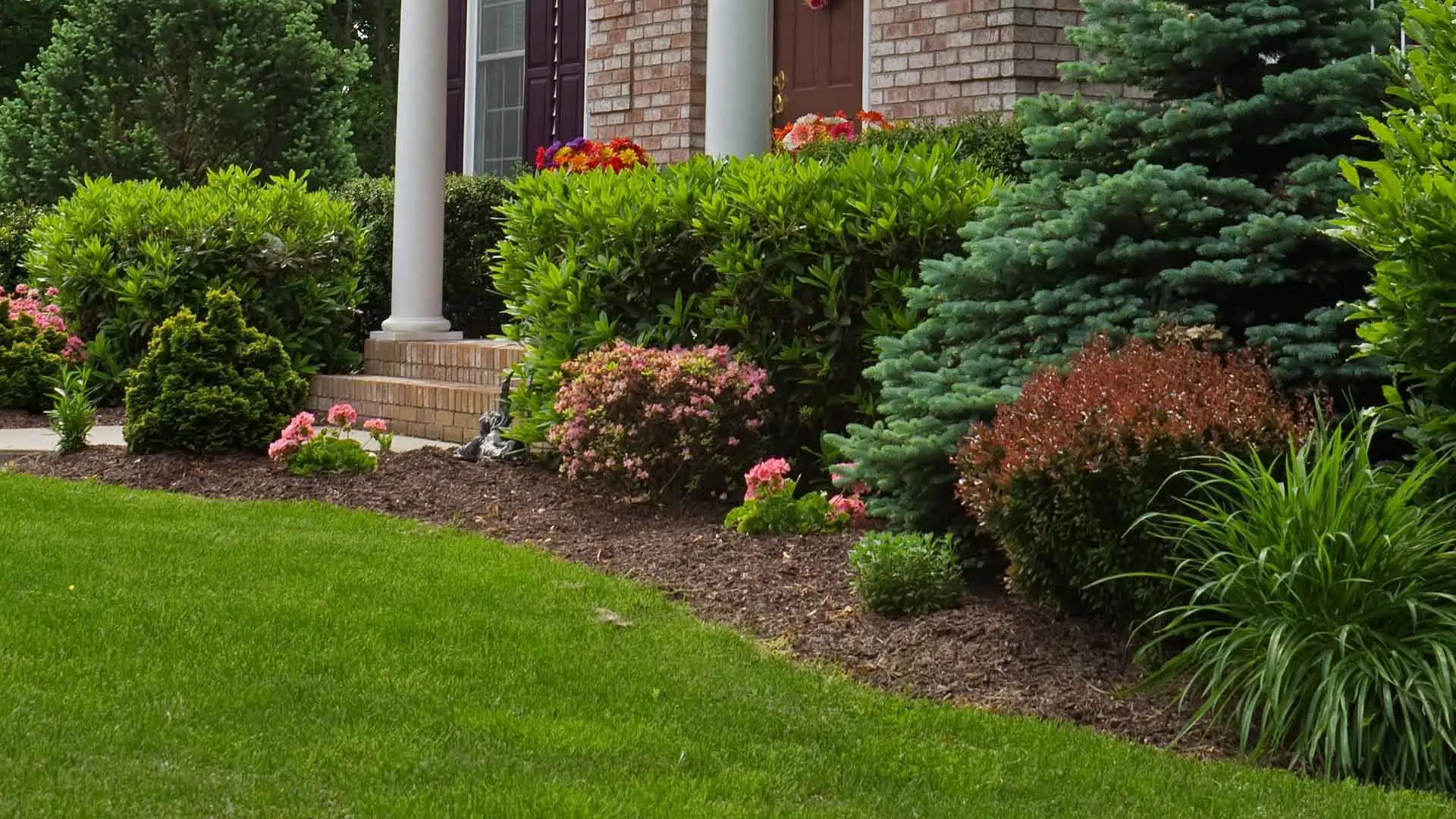
Dyed mulch is the most popular choice we install by a wide margin. It's shredded wood (typically hardwood or recycled pallets) that's been colored with a vegetable-based or iron oxide dye. The dye is non-toxic and safe around plants, pets, and kids.

Pros: Holds its color for most of the season (6-9 months depending on sun exposure), costs less than rock, suppresses weeds well at 2-3 inches deep, retains soil moisture, regulates soil temperature, and breaks down over time to add organic matter to the soil.
Cons: Needs refreshing every year because it fades and decomposes. The cheapest dyed mulches can leach color onto concrete surfaces during heavy rain. Some low-quality dyed mulch is made from construction debris that may contain contaminants.
Best for: Most residential and commercial landscape beds. Black mulch gives a clean, modern look. Brown is the most natural-looking. Red is bold and works well with certain house colors but can look artificial in some settings.
Shredded Hardwood (Natural)
Undyed shredded hardwood is the most "natural" organic option. It has a brown tone that weathers to gray over the season. Hardwood mulch knits together as it decomposes, which means it stays in place better than some alternatives on slopes and in windy areas.
Pros: Natural appearance, good moisture retention, breaks down and enriches the soil, stays in place well on slopes, typically the least expensive organic option.
Cons: Fades to gray within a few months. Needs annual refresh. Can temporarily rob nitrogen from the soil as it decomposes (applying it on top of the soil rather than mixing it in prevents this).
Best for: Naturalistic landscapes, wooded lot properties, budget-conscious installations, slopes where mulch staying in place matters.
Decorative Rock

River rock, lava rock, and other stone ground covers are the permanent option. They don't decompose, don't fade, don't need annual replacement, and don't attract termites or carpenter ants.
Pros: Lasts years without replacement, no annual maintenance, won't blow away in storms, doesn't harbor pests, works well around foundations where you want drainage rather than moisture retention.
Cons: Higher upfront cost. Does not improve soil over time (no organic matter added). Absorbs and radiates heat in summer, which can stress plants in full-sun beds. Difficult to remove if you change your mind. Weeds still grow through rock if no landscape fabric is installed underneath, and fabric degrades over time.
Best for: Low-maintenance beds, drainage areas, around HVAC units and foundations, beds with heat-tolerant plants, commercial properties where annual mulch refresh isn't practical.
Our Recommendation
For most residential landscape beds in Hamilton County, dyed hardwood mulch (brown or black) at 2-3 inches deep is the best combination of appearance, performance, and value. It does the job all season for the lowest annual cost, and the organic matter it adds to your soil improves plant health over time.
Rock makes sense in specific situations: foundation beds, drainage swales, and low-maintenance commercial installations. If you go with rock, invest in quality landscape fabric underneath, understanding that you'll need to treat for weeds occasionally regardless.
Sprout Lawn & Landscape installs all types of mulch and decorative rock for properties across Noblesville, Carmel, Westfield, Fishers, and surrounding communities. We'll recommend the right option during your free on-site estimate.